

A Trauma-informed Approach
We recognize that many young people have experienced stress or adversity. Our facilitators are trained to create an environment that prioritizes emotional safety, choice, and empowerment, ensuring that no participant feels pressured or overwhelmed.

the importance of resilience
Resilience isn't just about "bouncing back", it's about having the right tools in your toolkit before the storm hits. Our programs focus on four key pillars of the Resilience Blueprint.

The value of community
Traditional one-on-one support is valuable, but community is transformative. At Anchor Point Collaborative, we move beyond traditional modalities to create a "blueprint for resilience."
our six guiding principles
We prioritize physical and emotional safety above all else. Whether on the court or in the group circle, participants know their boundaries will be respected.
01
SafetyWe are clear about our rules and expectations. There are no surprises, which helps lower anxiety for young people.
02
Trustworthiness & TransparencyWe utilize the power of shared experience. Realizing "I am not the only one" is often the first step toward resilience.
03
Peer SupportWe don't just tell adolescents and young adults what to do. We work with them, leveling the power dynamic so they feel like partners in their own growth.
04
Collaboration & MutualityWe help young people reclaim their agency. We focus on their strengths and give them choices in how they participate.
05
Empowerment, Voice, & ChoiceWe honor the diverse backgrounds and unique challenges that different communities face, ensuring our space is truly inclusive.
06
Cultural & Historical Responsiveness
“No one is just their worst behavior, their worst experiences, or their worst view of themselves.”
— Nina Slovik, LICSW
The 4 R’s of a Trauma-Informed Approach*
-
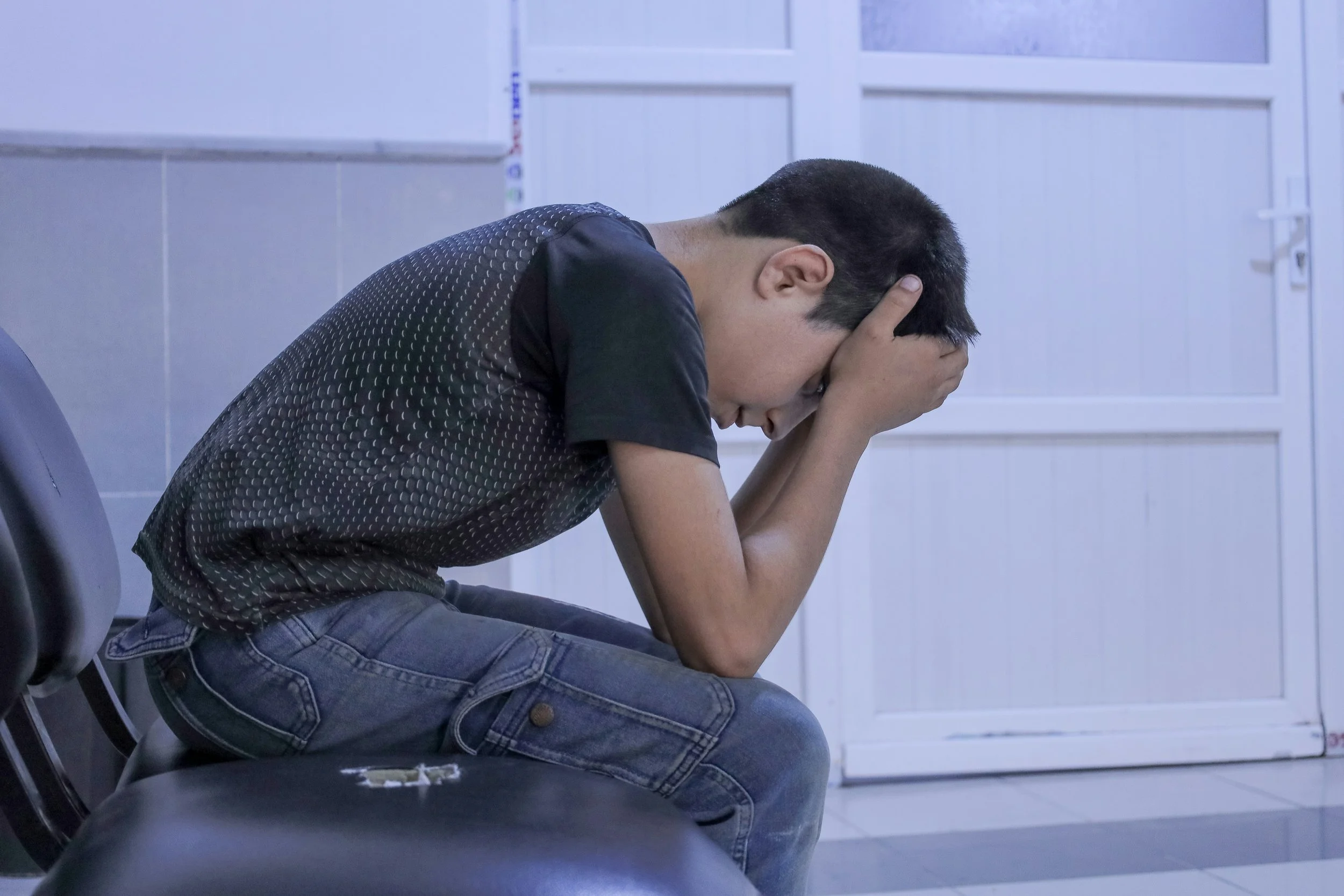
![A young person sitting on a black chair, leaning forward with elbows on knees, holding their head with both hands, appearing distressed in a room with white walls and a closed door in the background.]()
01
Realize: We understand that trauma is widespread and affects how the brain and body respond to the world.
-
![A white mask with hollow eyes and a neutral expression resting on a pile of weathered, fallen tree branches.]()
02
Recognize: Our team is trained to see the signs of trauma in behavior, communication, and emotional responses.
-
![Three women in white tops and gray jeans posing together and smiling, one sitting on a chair with legs spread, one standing and touching her shoulder, and the third standing behind them, all in front of a cream-colored curtain.]()
03
Respond: We apply this knowledge to every interaction, ensuring our curriculum is gentle, flexible, and supportive.
-
![Multiple hands painted with red paint forming a heart shape.]()
04
Resist Re-traumatization: We intentionally design our groups and basketball drills to avoid high-stress triggers that could make a participant feel unsafe or overwhelmed.



*The 4 R’s framework is adapted from the SAMHSA (Substance Abuse and Mental Health Services Administration) standards for trauma-informed care.
our resilience blueprint
At Anchor Point, our programs focus on four key pillars of the Resilience Blueprint.
Emotional Regulation: Understanding how to navigate big feelings without being overwhelmed by them.
Interpersonal Effectiveness: Learning how to set boundaries, resolve peer conflict, and build healthy relationships.
Self-Efficacy: Developing the confidence to handle “adult” tasks — from managing a schedule to entering college.
Meaning & Hope: Finding a sense of purpose and community that reminds you that your future is worth the effort.
True growth happens when we realize we aren’t alone. Our 8 week in-person groups provide a safe, inclusive space to process challenges and build a toolkit for long-term mental health.